Flask框架学习笔记之模板操作实例详解
本文实例讲述了Flask框架学习笔记之模板操作。分享给大家供大家参考,具体如下:
flask的模板引擎是Jinja2。
引入模板的好处是增加程序的可读性和易维护性,从而不用将一堆html代码塞在视图函数中。
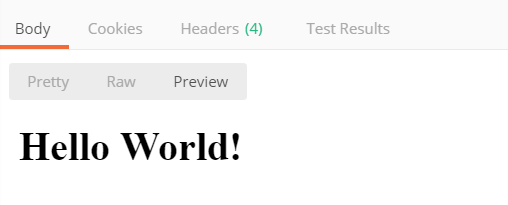
还是以hello world为例。最基础的调用模板修饰文本。
# 根网址
@app.route('/')
def index():
  # return render_template("index.html")
  # 可以给模板传入文本content修饰
  content = "Hello World!"
  return render_template("index.html", content = content)
index模板,用{{}}表示变量。
<!DOCTYPE html>
<html lang="en">
<head>
  <meta charset="UTF-8">
  <title>Title</title>
</head>
<body>
  <!--<h1>Hello World!</h1>></!-->
  <h1>{{ content }}</h1>
</body>
</html>
这里定义一个类以传入变量。
class User(object):
  def __init__(self, user_id, user_name):
    self.user_id = user_id
    self.user_name = user_name
传参
# 通过调用类的实例方法给模板传递参数修饰
@app.route('/user')
def user_index():
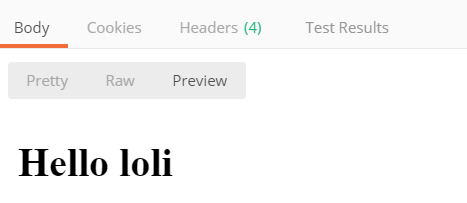
  user = User(520, "loli")# user_id, user_name
  return render_template("user_index.html", user=user)
user_index模板,仅显示user_name。
<!DOCTYPE html>
<html lang="en">
<head>
  <meta charset="UTF-8">
  <title>Title</title>
</head>
<body>
  <h1>Hello {{ user.user_name }}</h1>
</body>
</html>
在模板中实现if语句
# 在模板中使用if语句
@app.route('/query_user/<user_id>')
def query_user(user_id):
  user = None
  # 如果传入的id为520则调用实例
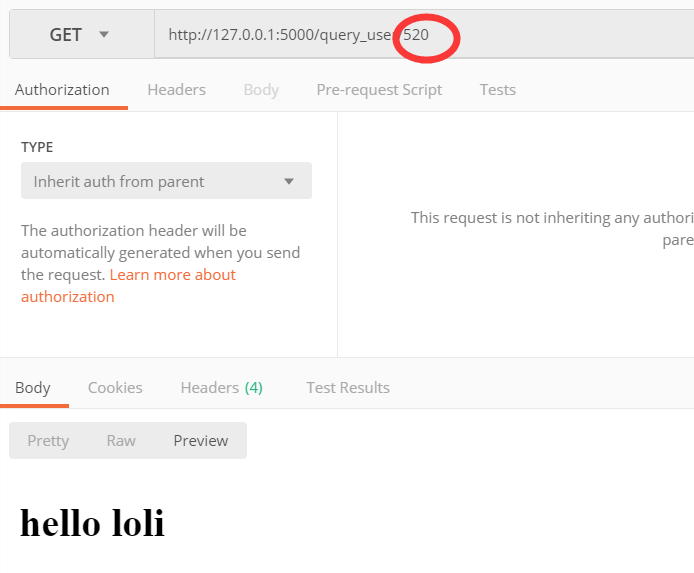
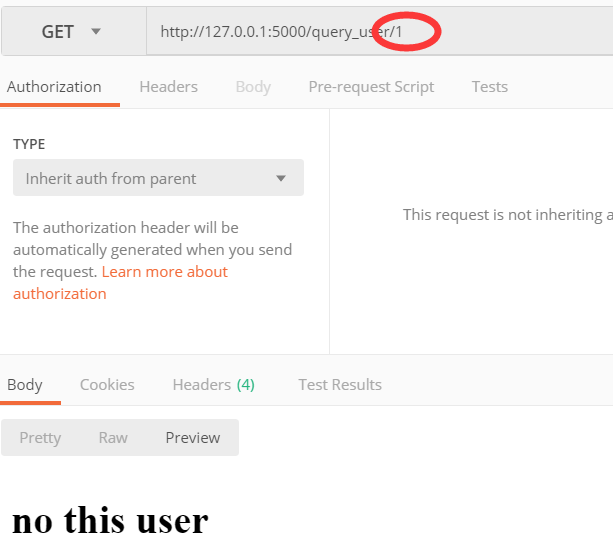
  if int(user_id) == 520:
    user = User(520, 'loli')

  return render_template("user_id.html", user=user)
user_id模板,用{% %}包裹if语句,若user不为None(也就是传入了name),则显示if下语句,否则显示else下语句。
最后一定要加上{% endif %}表示判断语句结束。
<!DOCTYPE html>
<html lang="en">
<head>
  <meta charset="UTF-8">
  <title>Title</title>
</head>
<body>
  {% if user %}
    <h1>hello {{ user.user_name }}</h1>
  {% else %}
    <h1>no this user</h1>
  {% endif %}

</body>
</html>
在模板中使用for循环语句
@app.route('/users')
def user_list():
  users = []
  for i in range(1, 11):
    user = User(i, "loli" + str(i))
    users.append(user)# 将user添加到users
  return render_template("user_list.html", users = users)# 在模板中修饰users
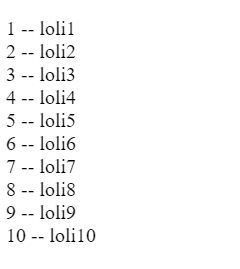
user_list模板,同样的,for循环语句也要用{% %}包裹起来,需要用{% endfor %}表示for循环结束。这里传入id和name两个参数。
<!DOCTYPE html>
<html lang="en">
<head>
  <meta charset="UTF-8">
  <title>Title</title>
</head>
<body>
  {% for user in users %}
    {{ user.user_id }} -- {{ user.user_name }}<br>
  {% endfor %}
</body>
</html>
模板的继承。模板继承的初衷也是为了代码更加简单,更易维护,将相同部分的代码提到一个基类模板,有点类似于类的继承。
<!DOCTYPE html>
<html lang="en">
<head>
  <meta charset="UTF-8">
  <title>Title</title>
</head>
<body>
  <div>
    <h1>I love you {{ user.user_name }}</h1>
  </div>
  {% block content %}
  {% endblock %}
  <div>
    <h1>So much!</h1>
  </div>
</body>
</html>
用<div>圈起来的是不可变的父模板,可改动添加的部分在{% block content %}和{% endblock %}之间。
子模版,用{% extends "父模板" %} 表示从父模板继承了代码。在{% block content %}和{% endblock %}之间添加内容。
{% extends "base.html" %}
{% block content %}
  <h2>more than anyone</h2>
{% endblock %}
{% extends "base.html" %}
{% block content %}
  <h2>more than anything</h2>
{% endblock %}
调用
# 模板继承1
@app.route('/one')
def one_base():
  user = User(520, 'loli')
  return render_template("one_base.html", user=user)
# 模板继承2
@app.route('/two')
def two_base():
  user = User(520, 'loli')
  return render_template("two_base.html", user=user)
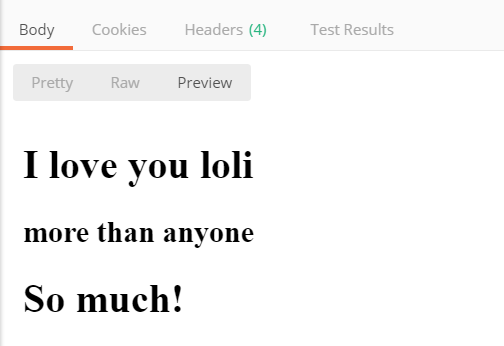
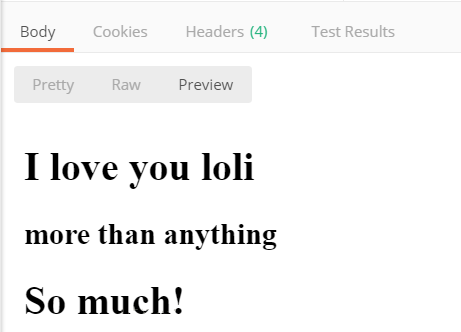
可以看到子模版继承了题头和尾部,中间为子模版添加的内容。
代码
#-*- coding:utf-8 -*-
from flask import Flask, render_template# 导入render_template以使用模板
# 定义一个models导入一个有id和name的类
from models import User

app = Flask(__name__)
# 根网址
@app.route('/')
def index():
  # return render_template("index.html")
  # 可以给模板传入文本content修饰
  content = "Hello World!"
  return render_template("index.html", content = content)
# 通过调用类的实例方法给模板传递参数修饰
@app.route('/user')
def user_index():
  user = User(520, "loli")
  return render_template("user_index.html", user=user)
# 在模板中使用if语句
@app.route('/query_user/<user_id>')
def query_user(user_id):
  user = None
  if int(user_id) == 520:
    user = User(520, 'loli')

  return render_template("user_id.html", user=user)
# 在模板中使用for循环语句
@app.route('/users')
def user_list():
  users = []
  for i in range(1, 11):
    user = User(i, "loli" + str(i))
    users.append(user)
  return render_template("user_list.html", users = users)
# 模板继承1
@app.route('/one')
def one_base():
  user = User(520, 'loli')
  return render_template("one_base.html", user=user)
# 模板继承2
@app.route('/two')
def two_base():
  user = User(520, 'loli')
  return render_template("two_base.html", user=user)

if __name__ == '__main__':
  app.run()
希望本文所述对大家基于flask框架的Python程序设计有所帮助。
